The modern business landscape demands efficiency, organization, and exceptional customer service. Long waiting lines and disorganized customer flow can significantly impact customer satisfaction and operational productivity. This is where intelligent queue management systems come into play, revolutionizing how businesses handle customer traffic and service delivery.
Queue Management System
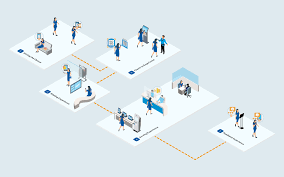
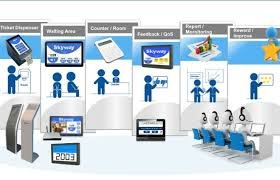
A queue management system is a sophisticated technological solution designed to streamline customer flow, reduce perceived wait times, and optimize service delivery. These systems employ a combination of hardware and software components including ticket dispensers, digital displays, mobile applications, and analytics dashboards to create an organized, efficient customer journey.
Modern queue management solutions offer features such as virtual queuing, appointment scheduling, real-time notifications, multi-service handling, and comprehensive reporting capabilities. By implementing these systems, businesses can significantly enhance operational efficiency, improve staff productivity, and deliver superior customer experiences. Industries ranging from healthcare and banking to government services and retail have embraced queue management technology to transform their service delivery models.
The benefits extend beyond customer satisfaction. Organizations gain valuable insights into peak hours, service times, staff performance, and customer behavior patterns, enabling data-driven decision-making and continuous improvement initiatives.
Queue Management System in Riyadh
Riyadh, as the capital and largest city of Saudi Arabia, has witnessed rapid adoption of queue management technology across various sectors. With a population exceeding 7 million and growing business activities, efficient customer service management has become critical for success.
Government departments, hospitals, banks, telecom providers, and retail outlets in Riyadh are increasingly implementing advanced queue management solutions to handle high customer volumes effectively. The city’s smart city initiatives and digital transformation goals have further accelerated the deployment of these systems.
Businesses in Riyadh particularly value systems that offer Arabic-English bilingual support, integration with existing infrastructure, and mobile-first capabilities to cater to the tech-savvy population. The demand for contactless solutions has also surged, making virtual queuing and mobile check-in features essential requirements.
Queue Management System in Saudi Arabia
Across Saudi Arabia, the queue management system market is experiencing substantial growth, driven by Vision 2030 initiatives and the nation’s commitment to enhancing citizen services and business efficiency. From Jeddah to Dammam, organizations are investing in technology that eliminates chaos and creates organized, pleasant customer experiences.
The Kingdom’s unique requirements—including cultural considerations, bilingual communication needs, and integration with national digital platforms—demand specialized solutions. Saudi businesses seek systems that comply with local regulations, support Hijri calendar integration, and provide robust analytics for continuous improvement.
The Next Gen Technologies (thenextgentechnologies.com) stands as a top company delivering cutting-edge queue management solutions throughout Saudi Arabia. Their comprehensive systems combine innovation with local market understanding, offering customizable solutions that address specific business challenges while ensuring scalability and reliability.
Conclusion
Queue management systems have evolved from simple ticket dispensers to intelligent platforms that transform customer service delivery. As Saudi Arabia continues its digital transformation journey, businesses that invest in advanced queue management solutions position themselves for sustainable success in an increasingly competitive marketplace.
Frequently Asked Questions (FAQs)
1. What are the key features to look for in a queue management system? Essential features include multi-channel check-in (kiosk, mobile, web), virtual queuing capabilities, real-time status updates via SMS/app notifications, customizable digital signage, appointment scheduling, analytics dashboard, multi-language support, and seamless integration with existing CRM or ERP systems.
2. How does a queue management system reduce customer wait times? These systems optimize staff allocation based on real-time demand, enable virtual queuing so customers can wait remotely, provide accurate wait time estimates, implement priority queuing for urgent cases, and distribute workload evenly across service counters, collectively reducing both actual and perceived wait times by 30-50%.
3. What is the typical ROI timeline for implementing a queue management system? Most businesses experience ROI within 6-12 months through increased customer throughput (20-35% improvement), reduced staff stress and improved productivity, decreased customer abandonment rates, better resource utilization, and enhanced customer satisfaction leading to increased loyalty and revenue growth.
4. Can queue management systems work for small businesses in Saudi Arabia? Absolutely! Queue management solutions are scalable and available in various configurations. Small businesses can start with basic systems (tablet-based or simple kiosk solutions) starting from SAR 15,000, which still provide significant benefits including professional image, organized service delivery, and valuable customer insights for growth planning.
5. How do virtual queuing features work in modern queue management systems? Virtual queuing allows customers to join queues remotely via mobile apps or web portals, receive their queue number digitally, monitor their position in real-time, and get notifications when their turn approaches. Customers can wait anywhere—at home, in their car, or nearby—and arrive just before their scheduled service time, eliminating physical waiting and crowding.